

Moving away for university can bring independence, new friendships and opportunities. It can also mean missing familiar food, family conversations, old routines and the comfort of knowing where you belong. For some students, the difficult part begins after the initial excitement of moving into a hostel has faded.
In my view, students should not treat homesickness as a personal failure or assume that everyone else is adjusting effortlessly. Learning how to deal with homesickness is an integral part of adapting to a new academic and residential environment. Research suggests that these feelings evolve and soften over time, but there is no universal timetable for settling in. What genuinely helps is building a manageable daily routine, staying connected with home in a balanced manner, and gradually establishing supportive relationships where you study.
Table of Contents
- • 1. What Research Says About Homesickness in First-Year Students
- • 2. 12 Evidence-Based Ways to Deal with Homesickness in College
- • 3. What to Do When Homesickness Hits at Night
- • 4. How Parents and Friends Can Support a Homesick Student
- • 5. When Homesickness Needs More Support
- • 6. Frequently Asked Questions (FAQs)
- • 7. Building a Sense of Belonging in Your New University Life
1. What Research Says About Homesickness in First-Year Students
Homesickness is the distress people may experience when they are away from familiar surroundings, relationships, and established routines. It can manifest as longing for home, loneliness, sadness, irritability, or difficulty concentrating on academic assignments. Students may also notice physical and physiological changes, such as disrupted sleep patterns, reduced appetite, or fluctuating energy levels.
A longitudinal study published in Emotion, Homesickness and Adjustment Across the First Year of College followed 174 undergraduates through their initial ten weeks of campus life. In that specific cohort, 94% reported experiencing homesickness at some stage. Average homesickness declined gradually across the first academic term, while elevated levels of distress were closely correlated with poorer social adjustment and lower perceived academic ease.
That figure provides essential perspective: it demonstrates that feelings of displacement are remarkably common, rather than an isolated shortcoming. However, adjustment trajectories vary significantly between individuals. While some freshers feel comfortable within days, others require several weeks or months to build a sense of personal security and belonging. Homesickness does not automatically indicate clinical depression or anxiety disorders, but persistent distress should never be dismissed simply as an unavoidable trial that students must suffer alone.
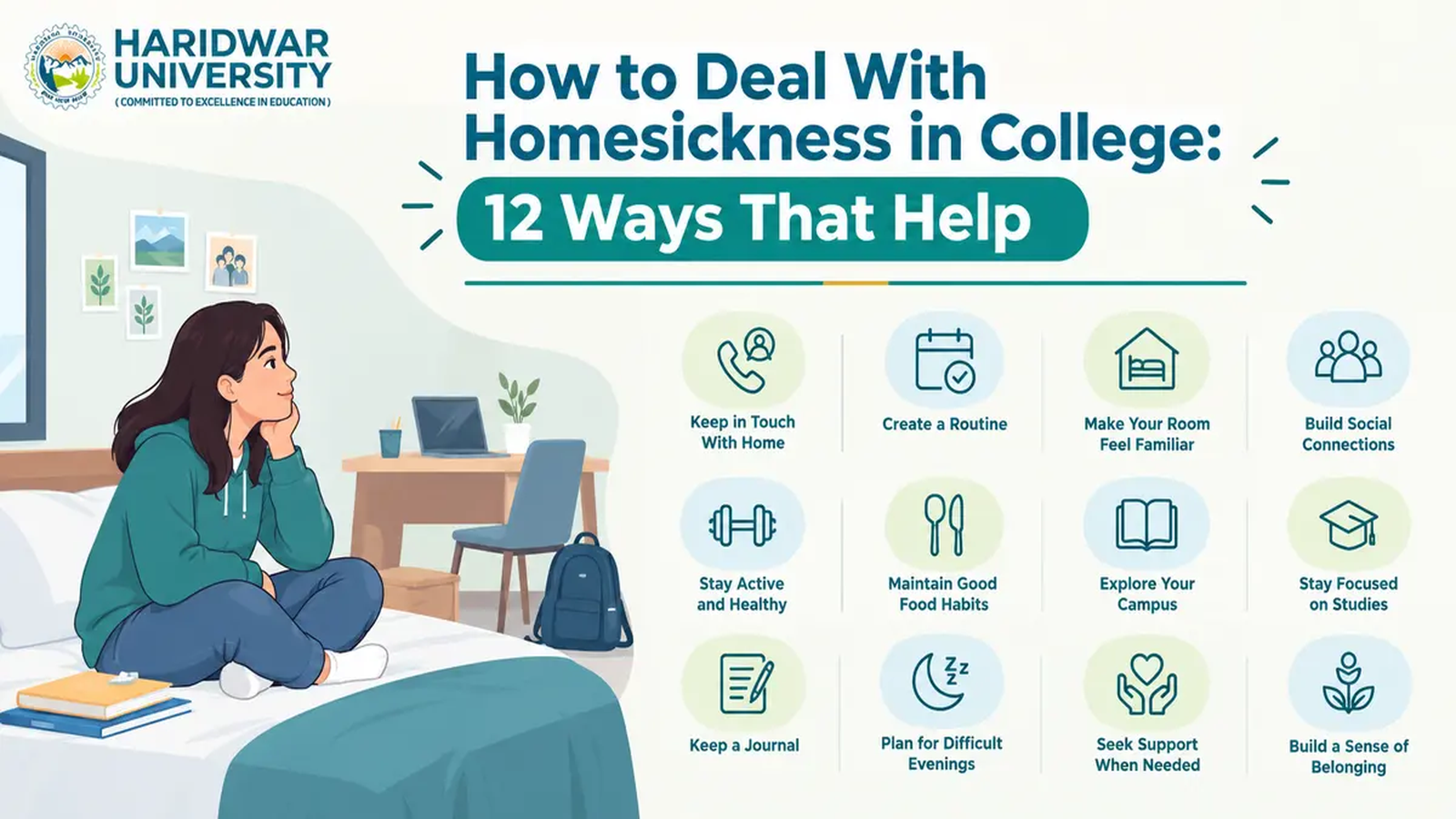
2. 12 Evidence-Based Ways to Deal with Homesickness in College
Because every individual responds to transition differently, no single technique works for everyone. The following 12 strategies translate psychological adjustment research and student welfare practices into manageable, actionable steps:
1. Keep in Touch with Home Without Spending the Whole Day There
Schedule phone or video calls with family and friends at designated times that work for both parties. Hearing familiar voices can be deeply reassuring during the initial transition period. At the same time, monitor whether every spare moment between lectures is spent messaging home or endlessly scrolling through old school friends' social media feeds. Preserving home ties is vital, but make sure to leave sufficient emotional and temporal space to experience your present surroundings.
2. Create a Daily Routine You Can Actually Maintain
Unstructured days give free rein to ruminative thoughts, making separation from home feel much more intense. Establish a few reliable daily anchors: wake up at a predictable time, attend all lectures, eat regular hostel meals, reserve dedicated study hours in the library, and plan a low-pressure evening pastime. Do not strive for an overly rigid schedule immediately; an ordinary routine that holds steady on a Tuesday is far more sustainable than an ambitious timetable abandoned within forty-eight hours.
3. Make Your Room Feel Familiar
Bring a few meaningful mementos from home, such as family photographs, a comfortable bedspread, or a personal desk accessory. Organize your study desk and cupboards systematically so your room feels functional, calm, and private. If you are getting ready for campus accommodation, consulting our detailed hostel packing list guide will help you select practical essentials. The goal is not to recreate your childhood bedroom, but to transform your hostel space into a comforting refuge for study and rest.
4. Start With Small Social Interactions
You do not need to discover lifelong best friends in your first 48 hours. Begin with micro-interactions: greet your roommates warmly, compare class notes with a desk partner, or ask someone in your hostel wing if they would like to walk to the cafeteria together. Low-stakes, repeated daily interactions gradually build familiarity and make unfamiliar faces approachable. Allow authentic connections time to develop naturally.
5. Join One Activity That Interests You
Participating in shared activities provides a natural platform to meet people without the pressure of awkward small talk. Whether your passion is sports, coding, public speaking, arts, or volunteer work, engaging in structured co-curriculars establishes immediate common ground. Explore the modern sports facilities at Haridwar University, and select one club or recreational activity that fits your academic workload comfortably before expanding further.
6. Keep Meals and Sleep as Regular as Possible
When emotional distress runs high, physical self-care is often the first casualty. Skipping dining hall meals or staying up late scrolling past midnight magnifies fatigue, irritability, and vulnerability to stress. Benefit from the balanced meal schedules offered across our residential hostel facilities, stay hydrated, and protect a regular sleeping window. Sound physical habits do not eliminate homesickness by themselves, but they build physiological resilience.
7. Explore Your Campus in Small Steps
Navigating an unfamiliar physical environment heightens feelings of disorientation. Take small, purposeful walks to map your academic buildings, central library, reading rooms, administrative offices, green open lawns, and quiet study alcoves. You can review the full scope of campus facilities on the campus infrastructure page. Becoming intimately familiar with your physical surroundings reduces everyday friction and fosters a tangible sense of ownership.
8. Stay Engaged With Your Studies Without Overloading Yourself
Coursework offers a productive focus, but attempting to drown every uncomfortable emotion under non-stop study sessions leads directly to academic burnout. Break large assignments into bite-sized segments, use academic planners, and clarify lecture doubts early with course instructors. You can check the curriculum structures and academic resources via the Haridwar University academic programmes page. A sustainable study schedule reserves intentional space for rest, meals, and social conversation.
9. Keep a Short Record of What Helps
At the end of each evening, jot down a brief, honest note about what felt difficult and what gave you even slight relief: a quick call home, a jog around the sports grounds, listening to a favourite song, or having tea with a hallmate. After a week, patterns will emerge. This exercise is not about forcing toxic positivity; it is a pragmatic method for identifying repeatable personal coping strategies that work for you.
10. Make a Plan for Difficult Evenings
Evenings are frequently the most vulnerable hours of the day: lectures have concluded, the hostel corridors grow quiet, and mental space fills with nostalgia for home. Having a predetermined plan removes the pressure of inventing a distraction when emotional energy is depleted. Plan an evening walk, set aside an interesting novel, work on a light creative project, or prepare your clothes and bag for the morning. Keep the plan flexible—if one activity fails to soothe you, gently pivot to another.
11. Allow Yourself to Miss Home
Longing for family, pets, and hometown comforts does not mean you made a mistake coming to college. You can deeply miss home while simultaneously being enthusiastic about earning your degree. Do not compare your inner feelings with peers who seem superficially exuberant or completely unfazed—everyone masks vulnerability differently. Grant yourself permission to experience quiet, wistful days without treating them as proof that you are unsuited for university life.
12. Ask for Support Before Things Become Overwhelming
If homesickness begins impairing your ability to sleep, eat, attend classes, or complete basic assignments, speak to someone you trust without delay. Whether reaching out to a faculty mentor, hostel warden, student welfare officer, or counsellor, early conversations prevent temporary adjustment friction from snowballing into severe distress. At Haridwar University, students can access professional guidance through the Counselling and Assistance service. Seeking timely counsel is a mark of self-awareness and maturity, not defeat.
3. What to Do When Homesickness Hits at Night
Nighttime distress can make feelings of isolation seem magnified and permanent. When this happens, avoid trying to solve your entire four-year university trajectory at midnight. Focus entirely on navigating the next thirty minutes using these five grounding steps:
- Name what you are feeling: Say calmly to yourself, "I am missing home tonight." Accurately acknowledging the emotion takes away its power and stops self-critical internal monologue.
- Choose one grounding physical activity: Take slow, unforced breaths, drink a glass of water, step out into the well-lit corridor for fresh air, read a few book pages, or listen to familiar calming music.
- Connect if reasonable: Send a quick text or voice message to a loved one. If the hour is too late to call, write down everything you wish to share in a journal so your thoughts are safely recorded for tomorrow morning.
- Prepare for tomorrow morning: Iron your clothes, pack your backpack, check lecture timings, and set an alarm. Completing one small concrete task grounds the mind in order and readiness.
- Reach out if feeling unsafe or overwhelmed: Never hesitate to speak to your resident hostel warden or on-duty campus medical staff if anxiety feels unmanageable.
These steps provide immediate coping anchors. If nighttime distress recurs consistently over multiple weeks, addressing it systematically with a counsellor or healthcare provider is strongly recommended.
4. How Parents and Friends Can Support a Homesick Student
When a student expresses intense homesickness over the phone, the reflexive parental response is often to say, "Be strong, everyone goes through this." While well-intended, dismissive statements can unintentionally heighten guilt and isolation.
A far more effective approach is active, non-judgmental listening. Ask open questions: Which part of the day feels hardest? Is it the food, the room layout, academic workload, or making new friends? Validate their experience, provide calm reassurance, and avoid promising unrealistic timelines for when sadness will vanish.
Parents can establish predictable communication windows (e.g., a 20-minute call after dinner) while encouraging their son or daughter to resolve daily campus tasks independently. Friends and hostel roommates can extend casual, low-pressure invitations to meals or walks without demanding immediate enthusiasm. The overarching objective is to provide a reliable psychological safety net while fostering self-reliance.
5. When Homesickness Needs More Support
Missing one's family and familiar comfort zone is an expected reaction to major life change. However, closer institutional intervention and clinical attention are warranted when emotional distress persists unabated for weeks, intensifies, or impairs fundamental daily functioning.
Consider reaching out for professional medical or psychological evaluation if a student exhibits any of the following patterns:
- Prolonged inability to sleep adequately or pervasive loss of appetite resulting in noticeable weight loss.
- Chronic absenteeism from lectures, laboratory practicals, or departmental assessments.
- Complete withdrawal from peer interactions and confinement to a hostel room for days on end.
- Persistent expressions of hopelessness, severe panic attacks, or uncontrollable emotional breakdowns.
Academic literature on Homesickness and Adjustment in University Students notes that severe homesickness shares common symptomatic markers with depressive episodes and generalized anxiety. A qualified student welfare counsellor can accurately evaluate the situation and coordinate supportive adjustments.
Emergency Notice: If a student communicates immediate intentions of self-harm or suicidal thoughts, treat it as a medical emergency. Contact campus health authorities, wardens, or local emergency services immediately.
6. Frequently Asked Questions (FAQs)
1. Is homesickness common among first-year college students?
Yes, many students experience it when they leave familiar people and routines. The degree varies, however. A finding from one college study should not be treated as a universal percentage for every university or country.
2. How long does homesickness last in college?
There is no fixed duration. Some students settle within days or weeks, while others experience recurring feelings over a longer period. Look at whether you are gradually adapting and functioning, rather than measuring progress against a deadline.
3. How can I overcome homesickness in a hostel?
Begin with regular meals, a manageable daily routine, planned contact with home and small interactions with hostel peers. Familiar belongings can help too. If distress is affecting daily life, speak with someone you trust or seek professional support.
4. Why does homesickness feel worse at night?
Evenings may offer fewer distractions, and a quiet room can leave more space for memories and worries. This does not happen to everyone. Planning a calming evening routine and arranging contact with loved ones can make nights more manageable.
5. Is homesickness the same as depression?
No. Homesickness describes distress connected with being away from home, whereas depression is a mental health condition with its own diagnostic criteria. They can overlap, so persistent or worsening symptoms should be discussed with a qualified professional.
6. Should parents bring a homesick student back home?
There is no single answer for every student. Start by listening and understanding the severity of the problem. Some students benefit from practical adjustments and support where they are; others may need a change in circumstances or professional guidance. Avoid making a rushed decision based on one difficult day.
7. What should I do if homesickness is affecting my studies?
Break work into smaller tasks, maintain class attendance as far as you can and tell a trusted faculty member or student support representative what is happening. If concentration problems or distress continue, consider speaking to a qualified mental health professional as well.
7. Building a Sense of Belonging in Your New University Life
Adjusting to university life is rarely an instant transformation. It is typically constructed through a succession of small, humble milestones: mastering the quickest walking route between your hostel and the lecture halls, exchanging friendly nods with cafeteria staff, finding a favourite desk on the third floor of the library, and discovering which mentor you can consult when an academic day proves overwhelming.
My advice as a student welfare officer is simple: keep your immediate next step manageable. Call home, but also join peers for lunch. Rest when you need recovery, but protect one or two anchor routines. Give your friendships time to blossom, and never hesitate to seek support when you feel burdened.
For students beginning their academic journey at Haridwar University, our comprehensive first-year university guide and our feature on life at Haridwar University offer invaluable practical guidance regarding residential facilities, campus societies, and academic life.
You do not have to stop missing home before you can begin feeling at home somewhere new. True progress begins with one steady routine, one genuine conversation, and one day that feels noticeably lighter than the last.
Experience a Supportive, Vibrant Campus Life at Haridwar University
Haridwar University provides dedicated student welfare services, comprehensive counselling support, secure hostel accommodations, and an empowering learning environment designed to help you thrive from day one.